


How Much Does It Cost to Convert a Bike to Electric? 2026
The cost of a complete ebike conversion kit with battery depends on the motor power and battery capacity you choose. We break down every component and give you 3 real budget scenarios — check current prices directly on all4ebikes.com.
Contents
New to eBike conversions? This cost breakdown is one part of our beginner series — start with the eBike conversion kit market in Romania: beginner's guide for the full picture on kit types, battery selection and installation before you finalise your budget.
Quick answer: the three budget scenarios
Before diving into the detail, here are the three realistic cost scenarios for converting a standard bicycle into a DIY electric bike in 2026:
- 250W conversion kit MTX
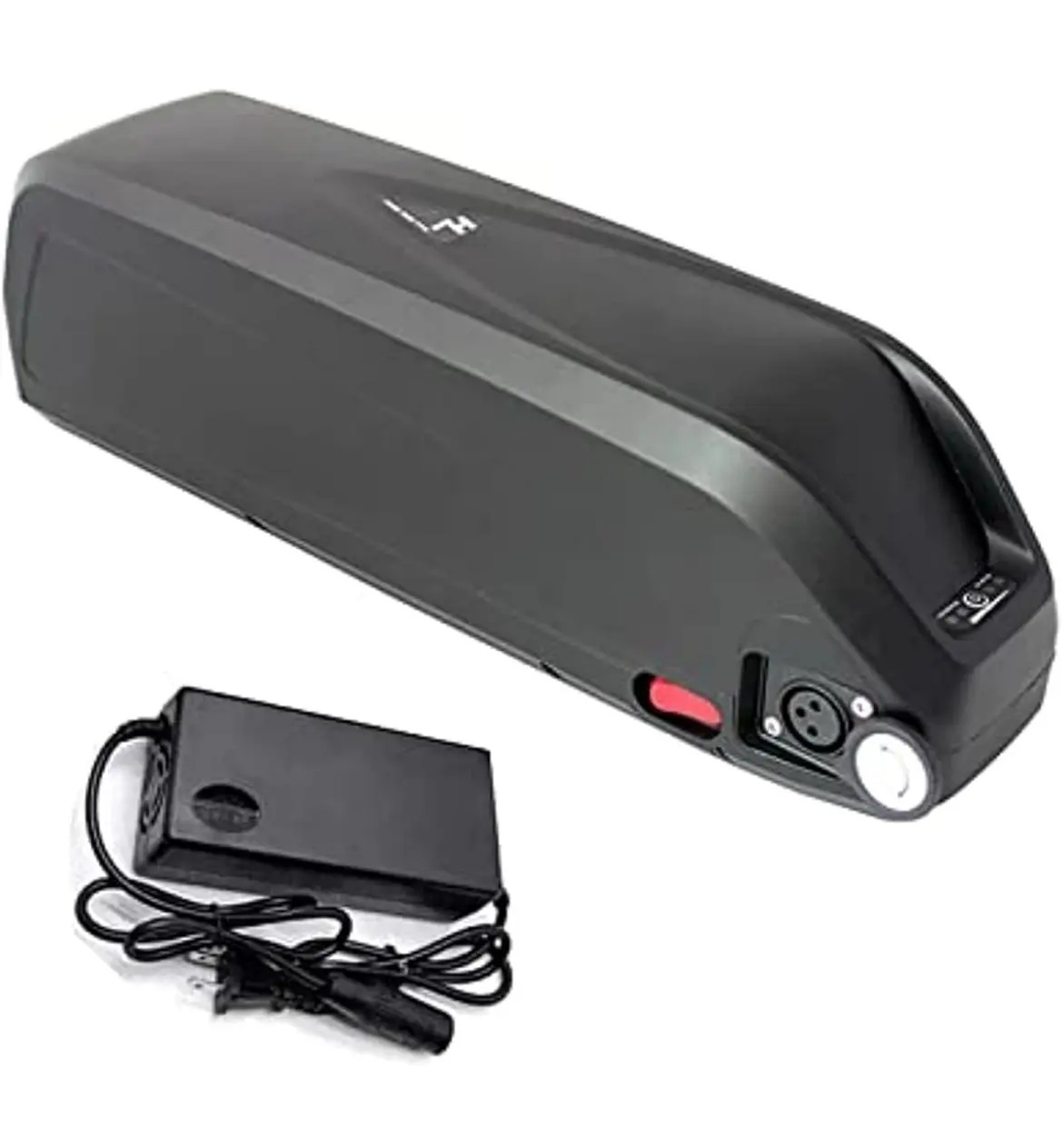
- 36V 15Ah downtube battery
- 500W conversion kit MTX
- 48V 17.5Ah downtube battery
- Torque arms included in the kit
- 1000W conversion kit MTX
- 48V 22.5Ah downtube battery
- Controller 48V 35A (optional upgrade)
- UKC1+ display (optional upgrade)
What components make up the total cost
An ebike conversion kit from All4eBikes already includes the motorised wheel, controller, SW900 LCD display, PAS sensor, twist throttle, two torque arms and the 7-speed freewheel. The only item purchased separately is the battery, which comes with its own charger. Here is the full cost breakdown:
| Component | Basic (250W) | Standard (500W) | Perf. (1000W) |
|---|---|---|---|
| Hub motor kit (includes: motor wheel, controller, SW900 display, PAS, twist throttle, torque arms, 7-speed freewheel) | 250W MTX kit | 500W MTX kit | 1000W MTX kit |
| eBike battery (purchased separately) | 36V 15Ah Downtube compact |
48V 17.5Ah Downtube standard |
48V 22.5Ah Downtube high capacity |
| Torque arms | Included in kit | Included in kit | Included in kit |
| Display upgrade (UKC1+) — optional | — | — | Optional |
| Controller upgrade (48V 35A) — optional | — | — | Optional |
| Shipping (free over 500 RON in Romania) | Free | Free | Free |
| Check current prices on all4ebikes.com → | |||
The conversion kit: what's included
The kit is the largest single cost item in any ebike conversion. All4eBikes kits include everything needed for installation — you don't need to buy additional components other than the battery:

The battery: the second major cost
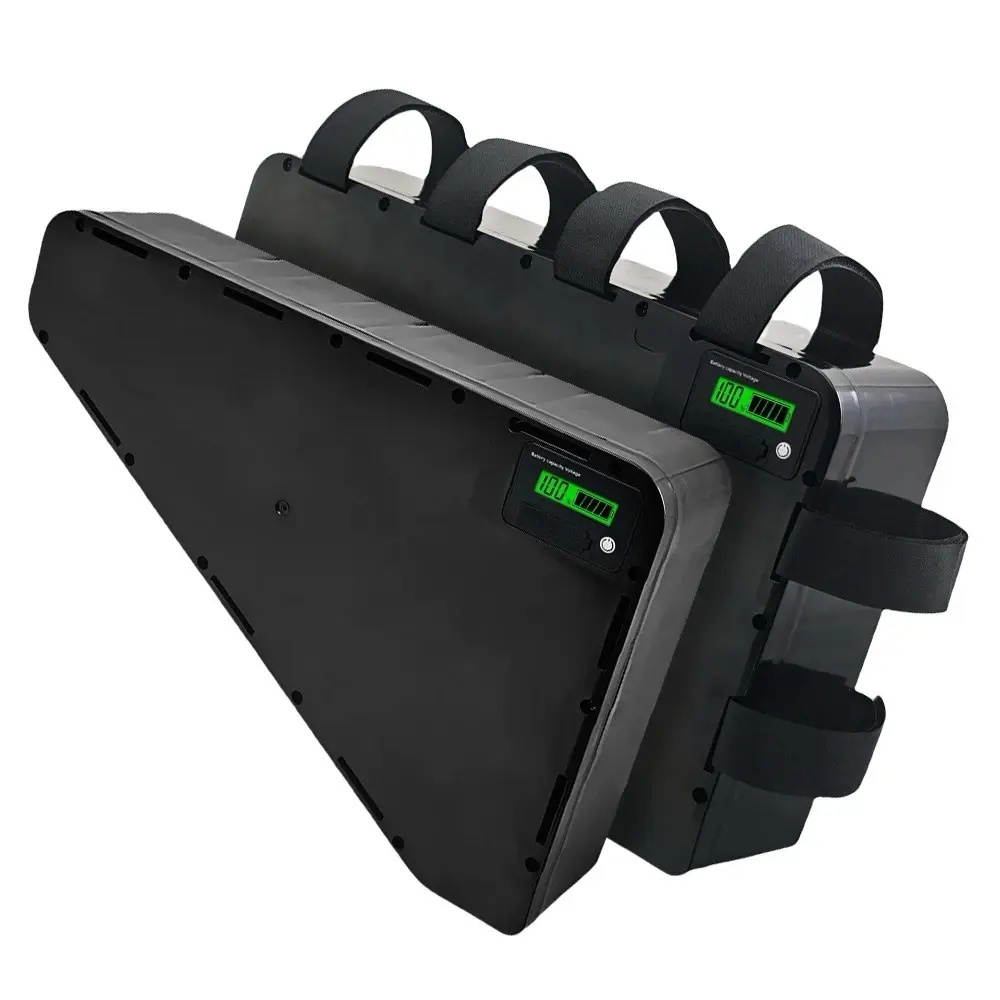
The battery is the only component purchased separately. It typically represents 40–50% of the total ebike conversion cost. The rule of thumb: the more powerful the motor, the larger the battery you'll need for adequate range.
Choosing the right battery capacity
- 250W motor: 36V 15Ah (540Wh) — range ~55–65 km. Sufficient for 15–20 km each way every day.
- 500W motor: 48V 17.5Ah (840Wh) — range ~60–80 km. Ideal price–range balance.
- 1000W motor: 48V 22.5Ah (1,080Wh) — range ~75–90 km at average assist.
- 3000W motor: 52V 24Ah or 72V 20Ah — estimated range 75–95 km (52V 24Ah) or 55–70 km (72V 20Ah) at average assist.
DIY conversion vs buying a new e-bike: which is cheaper?
A common question: wouldn't it be simpler to just buy a ready-made e-bike? The answer depends on your budget and the bike you already own.
DIY conversion — financial advantages
- Prices of decent quality new e-bikes overlap with the cost of a complete conversion (kit + battery), so compare your chosen setup with ready-made models
- A conversion uses your existing bike and often costs less than a comparable new e-bike
- You keep the geometry, components and riding feel you're already used to
- You choose exactly the motor power and battery range you actually need
- Components are individually replaceable — if something fails, you don't replace the whole system
- Periodic active discounts on all4ebikes.com make conversion even more attractive
When buying a new e-bike makes sense
- Your existing bike is old, rusted or has structural problems — not worth the investment
- You want a full system warranty from a single manufacturer
- You want an integrated mid-drive (Bosch, Shimano) not available as affordable aftermarket
- You don't have 2–3 hours for DIY installation
The All4eBikes team can recommend the right configuration for your weight, riding terrain and available budget — free of charge before your order.
Get a free recommendation →Optional extras: what else you might add
After the kit and battery, there are optional components that improve the experience or safety. None are mandatory, but worth budgeting for:
Recommended optional accessories
- UKC1+ display — upgrade over SW900, more data on screen
- 48V 35A controller — controller upgrade for 1000W+
- Spare PAS sensor — useful as backup
Costs beginners often forget to budget for
The kit and battery cover the core conversion, but a handful of small, genuinely useful additions are easy to overlook when you're comparing headline prices:
- Torque arms — already included in every kit (two arms with clamps), so there is nothing extra to budget for.
- Spare inner tube and tyre levers — a motorised rear wheel is heavier and slightly trickier to remove roadside than a standard wheel; carrying a spare tube sized for your wheel is worth the small cost.
- Basic tool kit — if you don't already own Allen keys, an adjustable spanner and a pump, budget for a basic set; you won't need anything more specialised for a hub motor install.
- A second charger — optional, but useful if you charge at both home and work, or want a faster charger to cut standard charge time.
- Brake pads and tyres — they wear a little faster on an assisted bike, so a spare set of pads is a sensible small addition.
None of these are mandatory, and the core kit-plus-battery cost is what drives the vast majority of your budget — but leaving a small buffer beyond the headline kit and battery price avoids surprises after the order arrives.
DIY installation vs paying a bike shop
Because All4eBikes kits ship complete — motor, controller, display, PAS sensor and throttle all included — installation is the only "labour cost" left to decide on. Most riders install a hub motor kit themselves in 2–3 hours with basic tools and no specialist knowledge; if you're comfortable removing a wheel and adjusting brakes, the conversion is well within reach.
If you'd rather not install it yourself, there are two options. In Bucharest, All4eBikes fits kits bought from us at our Sector 4 location in 2–3 hours, by prior appointment on WhatsApp at 0773 949 024. Elsewhere, a local bike shop can usually fit a hub motor kit, though the labour cost is on top of the kit and battery price and varies by shop and region — get a quote locally before deciding. For a full walkthrough of exactly what the DIY install involves, see the step-by-step installation guide. Choosing DIY over a shop is usually the difference between the cheapest and most expensive way to reach the same finished bike, so it's worth attempting yourself even if you've never done it before.
What it costs to keep a conversion running
Beyond the upfront kit and battery, ongoing costs are modest compared to a moped or car, but not zero. Electricity for charging is the main recurring cost and scales with battery size rather than motor power — see the exact numbers in how much does it cost to charge an e-bike battery. Wear items are limited mostly to what any bicycle needs — tyres, brake pads, chain — plus occasional PAS sensor or throttle checks. Batteries are the one component with a finite lifespan regardless of care; budgeting for an eventual replacement pack after several hundred charge cycles is realistic, and our battery lifespan and maintenance guide covers how to extend that timeline and what to expect when it's time to replace the pack. For a full seasonal and preventive maintenance checklist, see the complete conversion kit maintenance guide.
Frequently asked questions about ebike conversion cost
How much does an ebike conversion kit cost in 2026?
The cost of a complete ebike conversion kit with battery varies depending on motor power and battery capacity. The basic configuration (250W motor + 36V 15Ah battery) is the most affordable; the performance configuration (1000W motor + 48V 22.5Ah battery + accessories) is the most expensive. Check current prices at all4ebikes.com.
What is included in an All4eBikes conversion kit?
Every All4eBikes kit includes: the hub motor with the complete rear wheel, the controller, an SW900 LCD display, a PAS sensor, a twist throttle, two torque arms with clamps, the sprocket for the wheel, and all cables and mounting hardware. The battery is the only item purchased separately, as the right capacity depends on your motor power and target range.
Is converting a bike cheaper than buying a new e-bike?
Generally yes, if you already own a decent bicycle in good condition. A quality new e-bike can cost significantly more than a DIY conversion with an All4eBikes kit. You also keep the bike you already know, and can choose exactly the motor power and battery capacity that suits your actual riding needs. Check current kit prices for a real comparison.
How much does an ebike battery cost?
All4eBikes batteries vary in price depending on voltage and capacity: from the compact 36V 15Ah (for 250W and 500W kits) to large 72V packs (for 2000W and 3000W kits). The most popular choice for 500W, 1000W and 1500W kits is the 48V 17.5Ah downtube battery, which delivers an estimated 60–80 km of range. Check current battery prices on all4ebikes.com.
Can I install the kit myself or do I need a bike shop?
You can install it yourself. Hub motor kits take 2–3 hours and require only standard bicycle tools — Allen keys, an adjustable spanner and a pump. No specialist knowledge required. All4eBikes has a detailed step-by-step installation guide on the blog, and the team is available for technical support.
Is a torque arm included in the kit?
Yes. Every All4eBikes conversion kit includes two torque arms with clamps, which keep the axle from rotating in the dropout under motor torque. There is nothing extra to buy or budget for.
Are there ongoing costs after the initial purchase?
Yes, but they are modest: electricity for charging (which scales with battery size, not motor power), normal bicycle wear items like tyres and brake pads, and eventually a replacement battery after several hundred charge cycles. See our charging cost guide and battery lifespan guide for exact figures.
Is it cheaper to install the kit myself or pay a bike shop?
DIY installation is almost always cheaper, since the kit already includes everything needed and the job takes most riders 2–3 hours with basic tools. Paying a local bike shop adds a labour cost on top of the kit and battery price, which varies by region. All4eBikes provides a full step-by-step installation guide to make the DIY route straightforward even for first-timers.
Conclusion: what does an ebike conversion actually cost
Converting a standard bicycle into a DIY electric bike is often more affordable than buying a comparable ready-made e-bike, especially if you already own a bike in good condition; the difference depends on the motor power and battery capacity you choose.
The recommended setup for most riders — 500W motor + 48V 17.5Ah battery — delivers an estimated 60–80 km range: enough for daily riding and active weekends. Check the current price on all4ebikes.com.
All All4eBikes kits include free shipping in Romania on orders over 500 RON, a 24-month motor warranty (12 months on the other components) and technical support. Questions before ordering? Contact us — we'll recommend the right configuration for your bike and budget.
Reviews